Cleaning Up After A Storm Or Flood In Townsville: A Practical Guide To Clearing Waste Safely
Fat Boy Skips Townsville • October 9, 2026
Cleaning up after a Townsville storm, cyclone or flood can leave you dealing with fallen branches, waterlogged carpet, damaged furniture and general household debris all at once. The safest approach is to deal with immediate hazards first, document the damage, separate different waste types and only then start loading rubbish for removal.
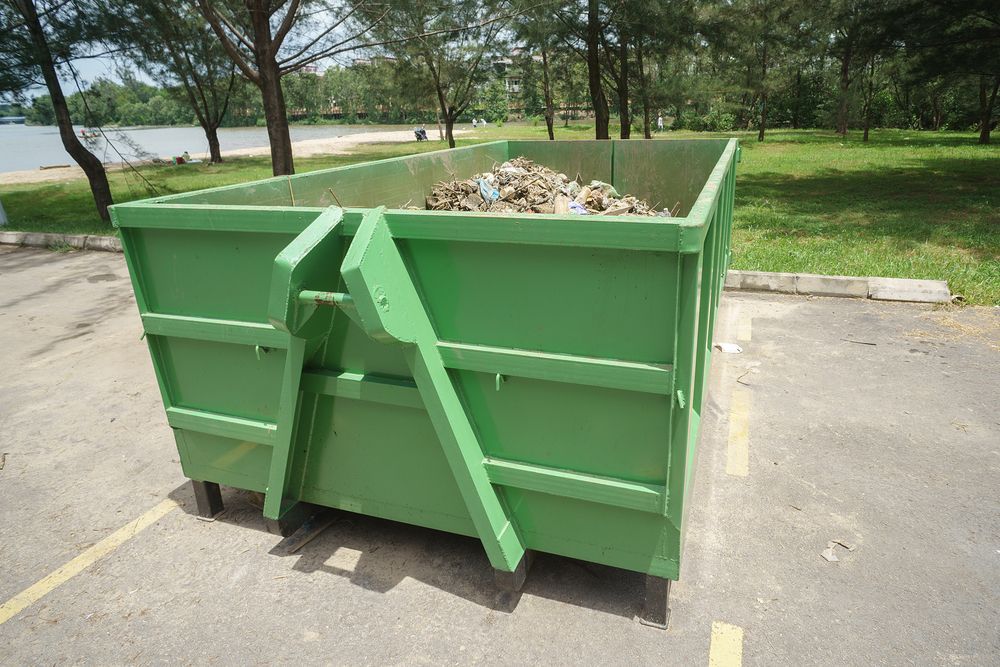
When the clean-up is too big for your wheelie bin, skip bins Townsville locals can hire provide a practical way to contain suitable storm waste while you work through the property.
Put Safety First Before You Start Cleaning Up
Storm and flood damage can create hazards that aren't immediately obvious. Fallen or damaged powerlines should always be treated as live, and Queensland's Electrical Safety Office warns that lines can be hidden by branches and other storm debris. Floodwater may also contain sewage, chemicals and other contaminants, so don't start moving debris until authorities have advised it's safe to return to the property.
If you're unsure whether a building is structurally safe, don't enter damaged areas just to start clearing rubbish. Follow current Queensland Government, emergency service and Townsville City Council advice for the event you're dealing with.
Wear suitable protective clothing when handling dirty or flood-affected items. Be particularly careful around broken glass, sharp metal, unstable branches and materials you can't identify.
Safety takes priority over clearing the property quickly.
Photograph Damage for Insurance Before You Throw Anything Out
Before filling a skip, document the damage. Take clear photographs or video of affected rooms, furniture, flooring and other belongings before moving or disposing of them. If you're making an insurance claim, check what your insurer wants you to retain or document before throwing damaged property away.
Keep records of items you're disposing of where practical. It may also help to photograph groups of damaged belongings as they're removed. For example, if a ground-floor room has been flooded and the carpet, furniture and storage cabinets are water damaged, photograph the room first. Then document individual higher-value items before separating everything for disposal.
Once you've recorded what you need, you can start organising the waste instead of creating one large mixed pile.
How to Sort Storm and Flood Waste
Storm clean-up becomes easier when you separate waste by type as you go. Waterlogged household contents such as damaged furniture and carpet need to be kept separate from materials requiring specialist disposal. Fallen branches, palm fronds and other vegetation can also be separated from general household rubbish.
Typical post-storm categories may include:
- Damaged household furniture and contents
- Waterlogged carpet and suitable flooring materials
- Fallen branches and garden debris
- Timber and other building materials
- Metal items
- Electrical items and batteries
- Hazardous or unidentified materials
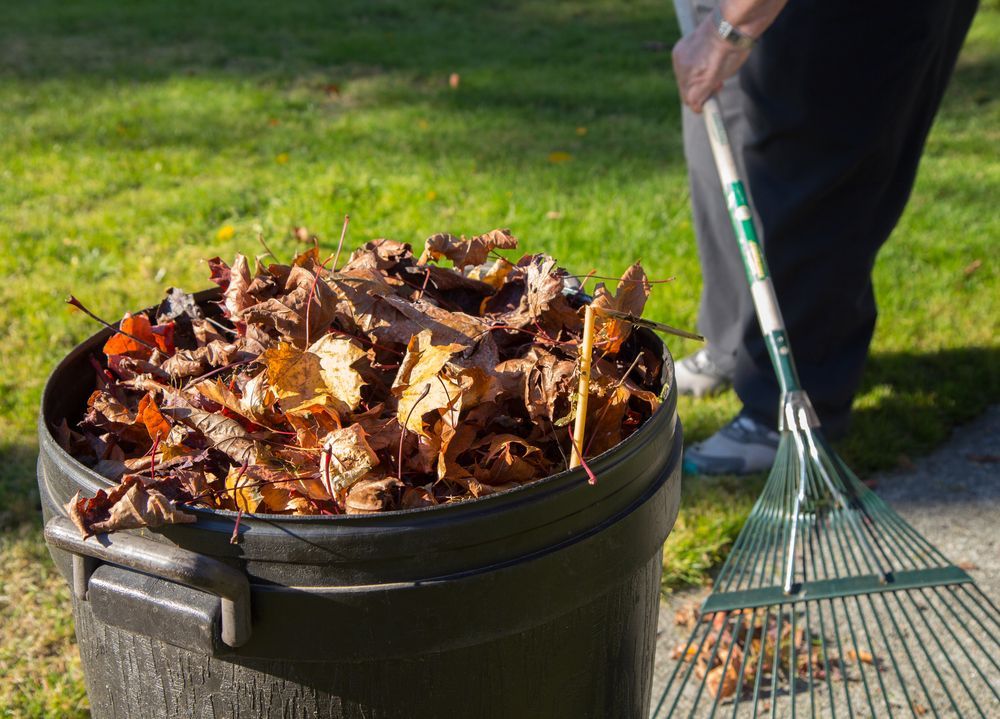
Separating green waste can be particularly useful after strong winds or a cyclone. If your yard is covered in branches and vegetation, dedicated green waste removal can keep this material separate from household debris.
Townsville City Council may introduce special disaster-waste arrangements after individual severe weather events, so check current Council advice rather than assuming previous collection or disposal arrangements still apply.
What Can't Go in a Skip Bin After a Storm
A storm doesn't make hazardous materials suitable for an ordinary skip bin. Items such as batteries, chemicals, gas bottles and other hazardous materials may require separate disposal. Townsville City Council provides specific disposal pathways for a range of items that shouldn't simply be mixed into general household rubbish.
Asbestos deserves particular attention after storm or cyclone damage. Older buildings may contain asbestos-containing materials, and damage can expose or break materials that previously weren't disturbed. If you suspect debris contains asbestos, don't cut, break, drill, pressure-clean or casually handle it. Keep it out of your skip and seek appropriate asbestos advice before disturbing the material. Queensland authorities publish specific guidance for cleaning up storm-damaged material that may contain asbestos.
If you're uncertain whether a particular item can go into your hired bin, ask before loading it. It's much easier to clarify disposal requirements first than discover unsuitable material after the bin has been filled.
Choosing the Right Skip Bin Size for a Post-Storm Clean-Up
Storm waste can take up more space than it appears to while it's scattered around your property. A few pieces of damaged furniture, sections of carpet and general household rubbish can quickly fill a smaller bin. Fallen branches are another example: they're relatively light compared with dense construction materials, but their awkward shape can consume substantial bin space.
Start by looking at the whole clean-up rather than the first pile you want to remove. Consider:
- How many rooms have been affected?
- Are you disposing of bulky furniture?
- Is carpet or other flooring being removed?
- How much garden and tree debris is there?
- Are you clearing household waste and outdoor debris?
- Are any materials unsuitable for a general skip?
Choosing enough capacity can reduce the frustration of filling the bin before you've finished the job.
With skip bin hire, you can load suitable debris as you work rather than continually moving rubbish from one temporary pile to another. If you're unsure which size fits the job, explain what you're clearing when you enquire. Fat Boy Skips can help you choose a practical option based on the type and approximate amount of waste.
Why Booking a Bin Quickly Makes a Difference
After severe weather, waste can build up rapidly as households and property managers begin cleaning at the same time. Organising your waste removal early gives you somewhere to place suitable debris as you work through the property. That can help keep access areas clearer and reduce the need to repeatedly handle the same rubbish. However, it doesn't mean you should rush the safety checks, insurance documentation or waste sorting. Those steps should come first.
Availability can also change during widespread clean-ups, so it's worth making enquiries once you know what type of waste you're dealing with and have a reasonable idea of the volume.
Don't assume a particular delivery timeframe after a major weather event. Demand, road access and local conditions can all affect availability, so confirm timing when you book.
If you're reading this before Townsville's wetter months rather than after a storm, our guide to
getting ahead of cyclone season covers practical reasons to clear unwanted yard waste before severe weather arrives.
Get Your Property Back to Normal With Fat Boy Skips
A storm or flood clean-up is easier to manage when you approach it in the right order: make sure the property is safe, photograph the damage, check insurance requirements, separate hazardous materials and then organise suitable waste for removal.
Don't put yourself at risk to clear rubbish faster. Follow current emergency and Council advice, stay away from electrical hazards and floodwater, and stop if you discover suspected asbestos or another material requiring specialist handling.
Once it's safe to start clearing, Fat Boy Skips Townsville can help you manage suitable household debris, bulky waste and green waste without relying on your regular wheelie bin. If you're dealing with storm debris, flood-damaged belongings or a yard full of fallen branches, contact Fat Boy Skips to discuss the waste you're clearing and the bin size you need. Our team can help you choose a suitable option and confirm current delivery availability for your Townsville property.
FAQs